
Markets India
Oil prices fell over 1% as Iranian and Qatari diplomats engaged in talks to address the US-Israeli conflict, with Brent crude dropping 1.40% to $111.84 per barrel.
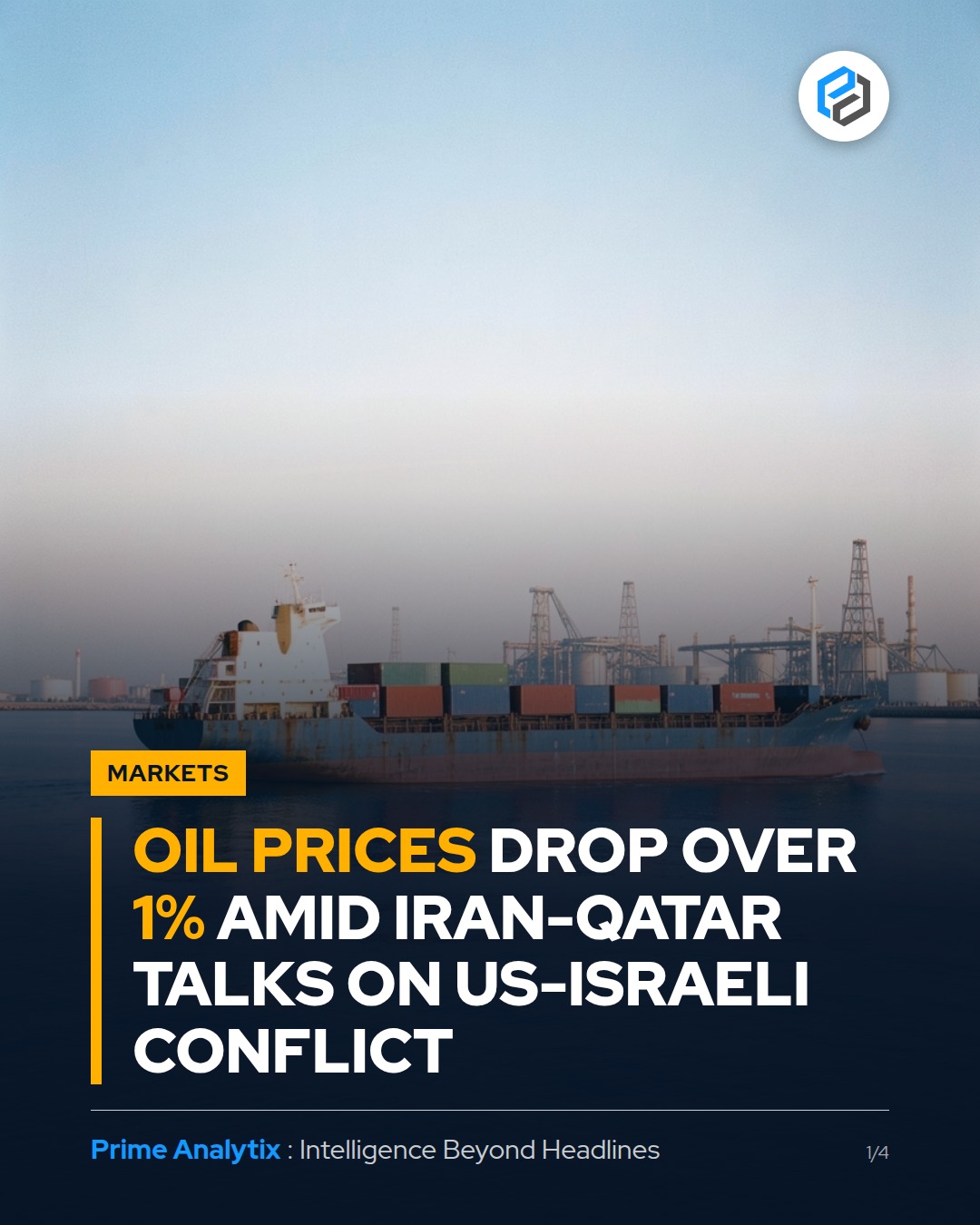
Brent crude futures fell $1.59, or 1.40%, to $111.84 per barrel, while US West Texas Intermediate crude dropped $1.56, or 1.50%, to $102.56 per barrel. Analysts cited optimism about potential diplomatic progress easing short-term pricing concerns. Saudi Arabia increased crude exports in October despite attacks by Iran-aligned Houthis on energy infrastructure, while OPEC+ maintained December production targets, signaling no immediate policy changes. Brent crude reached its highest level in six months in October amid fears of renewed US-Iran conflict escalation.
The talks may reduce short-term price volatility but do not resolve underlying geopolitical tensions. OPEC+'s decision to keep production targets steady suggests limited near-term supply adjustments, preserving market power dynamics. Persistent attacks on oil infrastructure in the Strait of Hormuz continue to pressure global energy costs. Analysts warned that potential military escalation could push Brent crude toward $120, while ongoing attacks on oil tankers and energy infrastructure may sustain price pressures.
Oil producers face reduced revenue from lower prices, and energy companies experience cost fluctuations due to shipping disruptions. Investors may adjust portfolios based on geopolitical risk assessments. Diplomatic progress could stabilize energy markets and reduce shipping costs in the Strait of Hormuz, creating opportunities for non-OPEC producers to capture market share. However, unresolved tensions and infrastructure attacks keep volatility in play.
The key uncertainty remains whether the US-Iran conflict can be resolved before the midterm elections, which may influence rhetoric around Iran. OPEC+ is expected to review policy adjustments in 2027, but no immediate changes are anticipated.
Midterm elections in the US may influence rhetoric around Iran, with potential for renewed tensions. OPEC+ is expected to review policy adjustments in 2027.
Oil prices fell over 1% as diplomatic talks eased short-term concerns, but unresolved geopolitical risks and infrastructure attacks keep volatility in play.
Topics: Oil Prices, Geopolitical Risk, OPEC+, Middle East Conflict, Energy Markets, Strait Of Hormuz, Market Volatility, US-Israeli Conflict
#OilPrices #GeopoliticalRisk #OPEC+ #MiddleEastConflict #EnergyMarkets #StraitofHormuz #MarketVolatility
Source: ET Markets
Post a Comment
Post a Comment